Porta Romana has always been a part of Milan much loved by those who live there and little told elsewhere. A straight corso starting from the Crocetta, a stone arch from 1598, ringhiera houses and bourgeois palazzi, the Bocconi University a few steps away. A concrete Milan, not a fashionable one.
Over the past ten years something has changed, and during the weeks of the Olympics it became evident to everyone.
The corso and its side streets
The historic part of the district, between corso di Porta Romana, via Lamarmora and viale Bianca Maria, is made of late nineteenth- and early twentieth-century buildings, with inner courtyards and generous ceiling heights. This is where the most sought-after homes are found: high floors overlooking the green of the boulevards, apartments with vaulted ceilings, the occasional rare private garden.
Beyond the ring road, towards corso Lodi and viale Ortles, the fabric becomes more varied: former workshops, post-war buildings, new residential complexes.
The Fondazione Prada effect
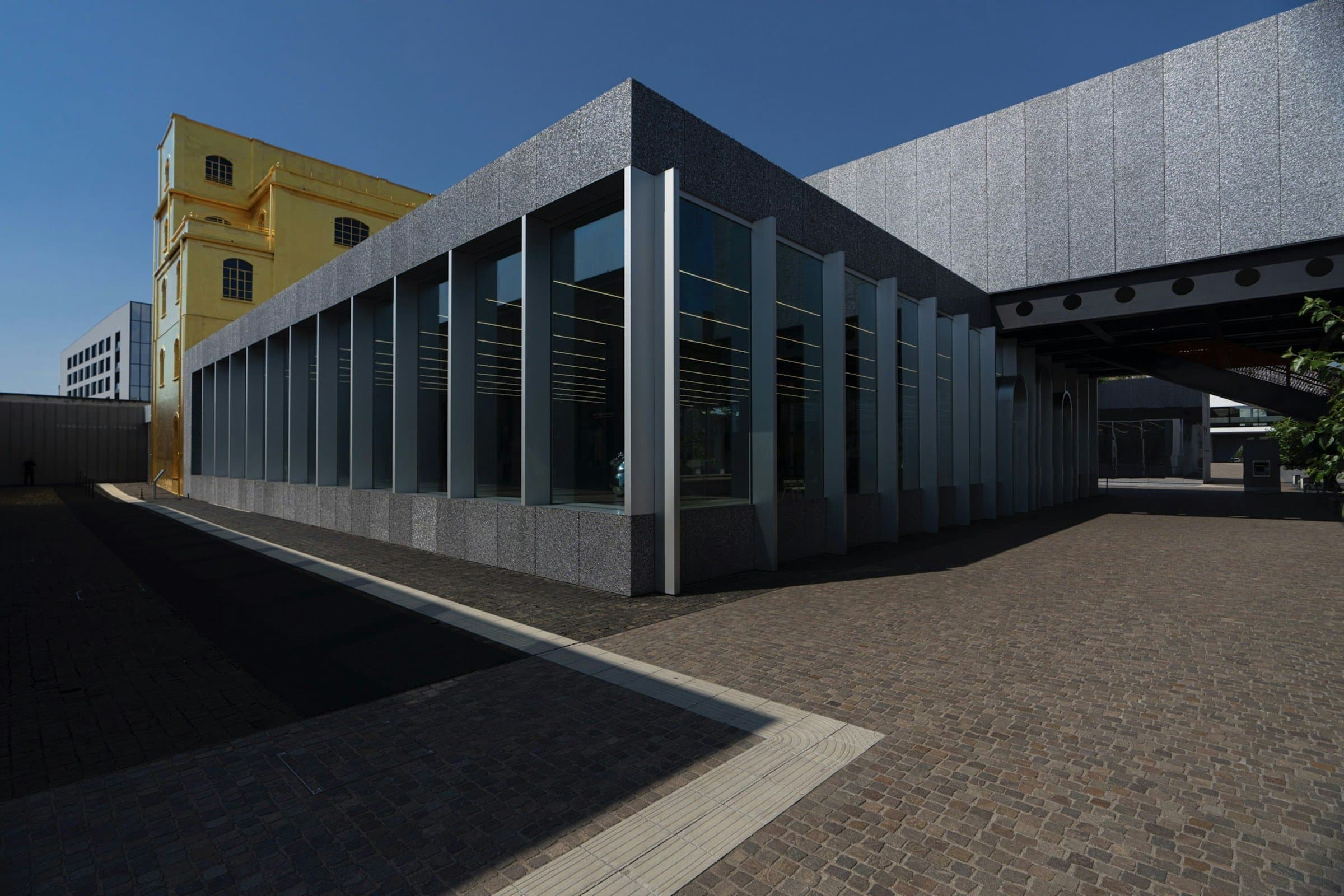
The opening of the Fondazione Prada in 2015 was the first sign. Rem Koolhaas and OMA turned a 1910 distillery into one of Europe's most visited art venues, with the Haunted House clad in gold leaf and, since 2018, the white Torre. Galleries, restaurants and creative studios followed.
A district changes when the reasons for crossing it change.
The rail yard and the Village
The former rail yard, one of the city's large disused areas, is the heart of the transformation. The regeneration plan includes an extensive park above and beside the tracks, new homes, offices and the Olympic Village by Skidmore, Owings & Merrill, which after the Games will become student housing with about 1,700 beds.
For the district it means new residents, new services and, above all, a more natural link between the historic city and the south of Milan, until now separated by the tracks.
What it means for buyers
- The historic streets near the corso remain the reference for those seeking the character of old Milan at a price still below Brera or Magenta.
- The areas closest to the rail yard are a bet on the future: large transformations take time, and it is good to know it.
- Rentals to students and young professionals, with the Bocconi and the new village, remain solid demand for investors.
Porta Romana will not become a postcard district. And that, perhaps, is its greatest quality: it is changing pace, but it remains a part of Milan where people really live.
Real estate advisor · Milan